Story Workshop - Language can be a source of creativity and joy.
An action that we have taken to support our school’s learning focus is:
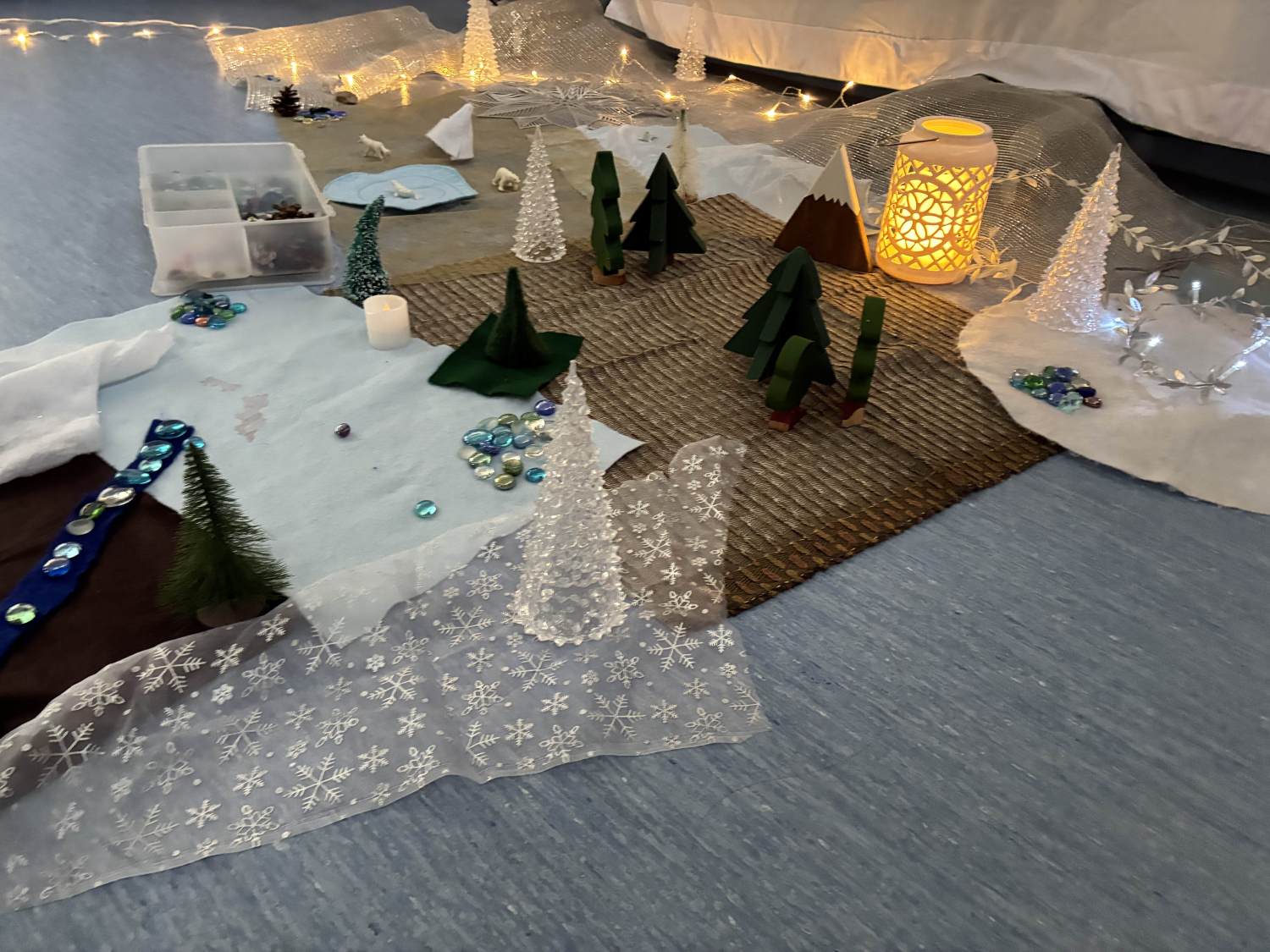
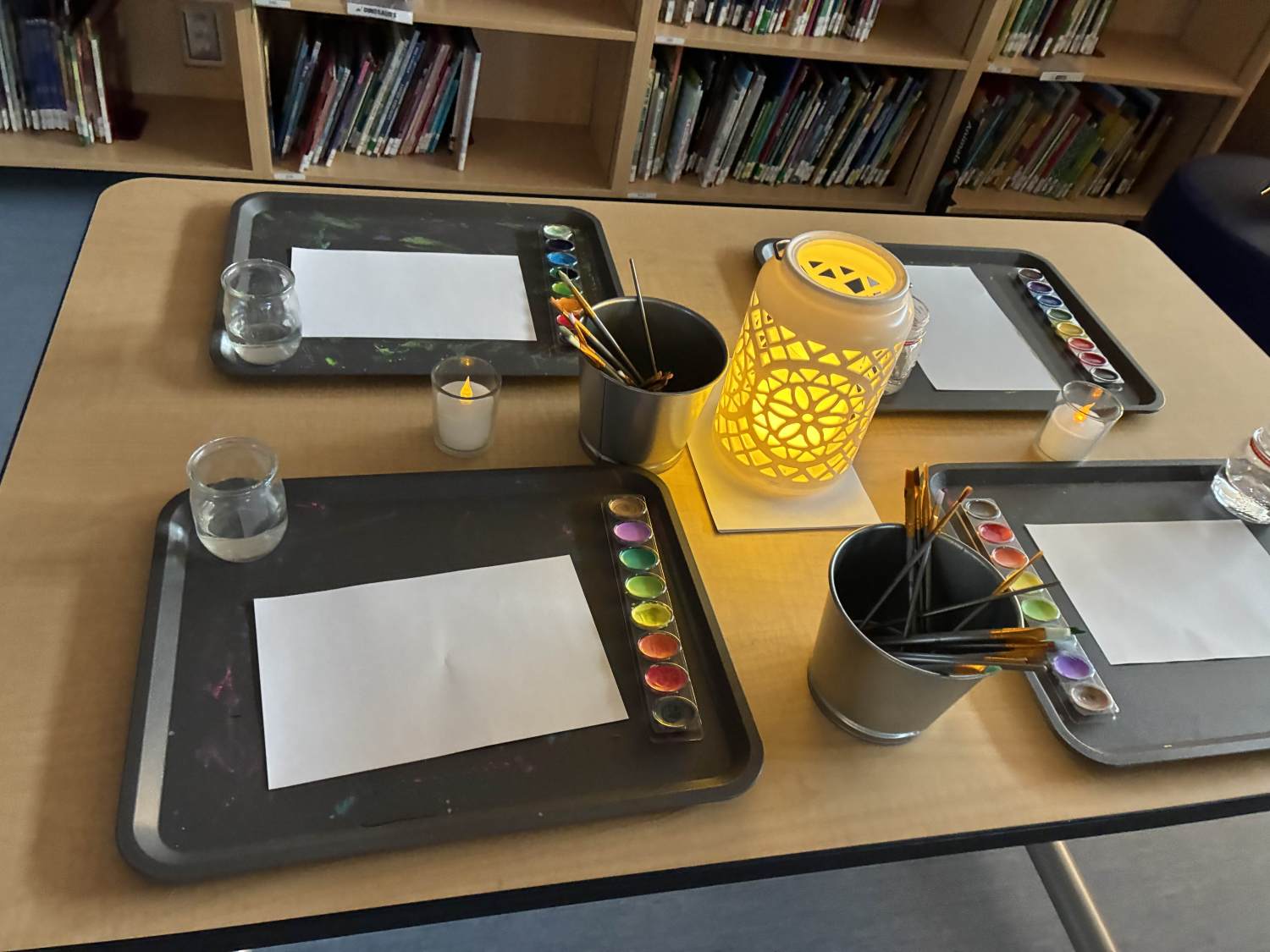
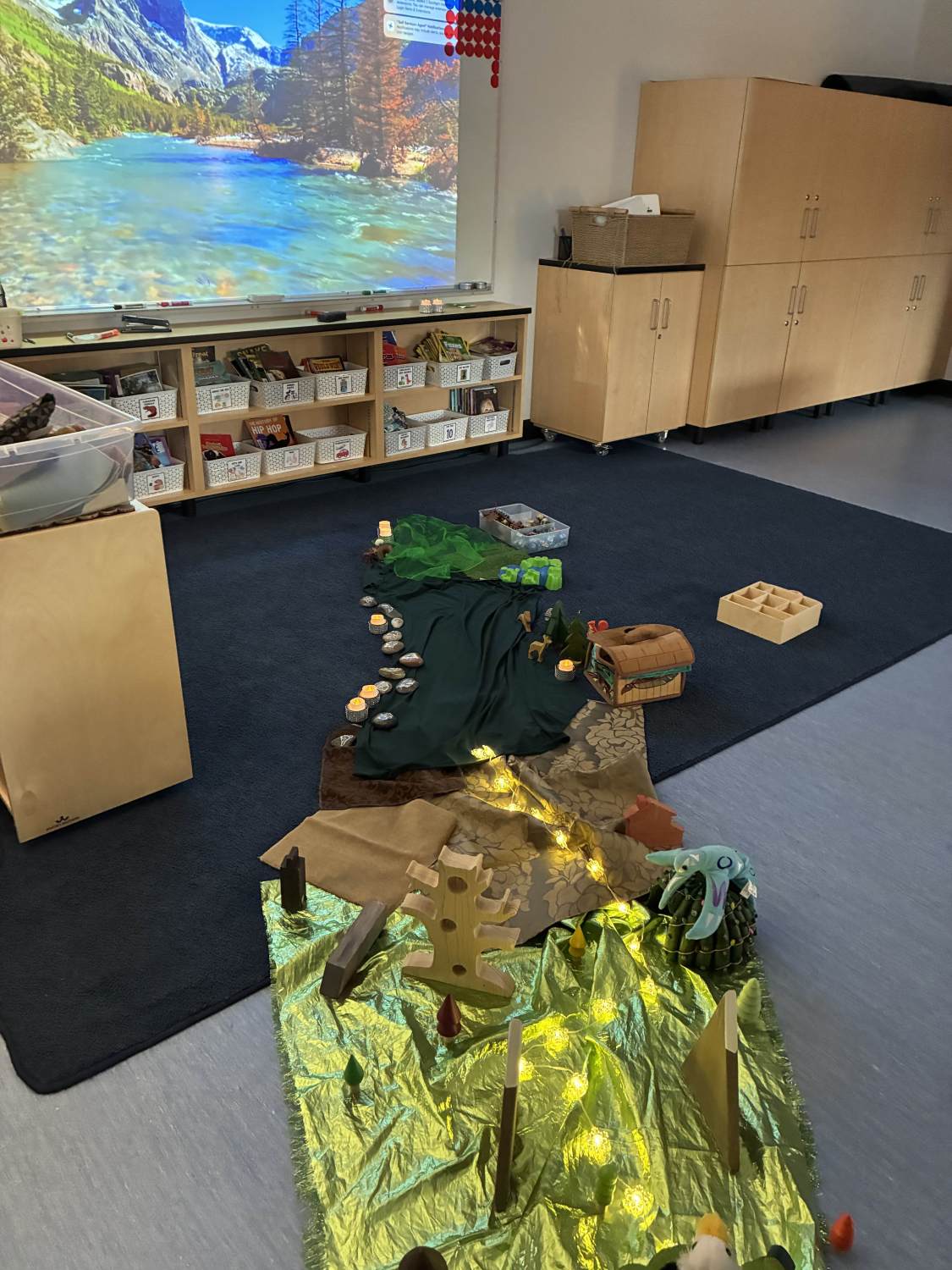
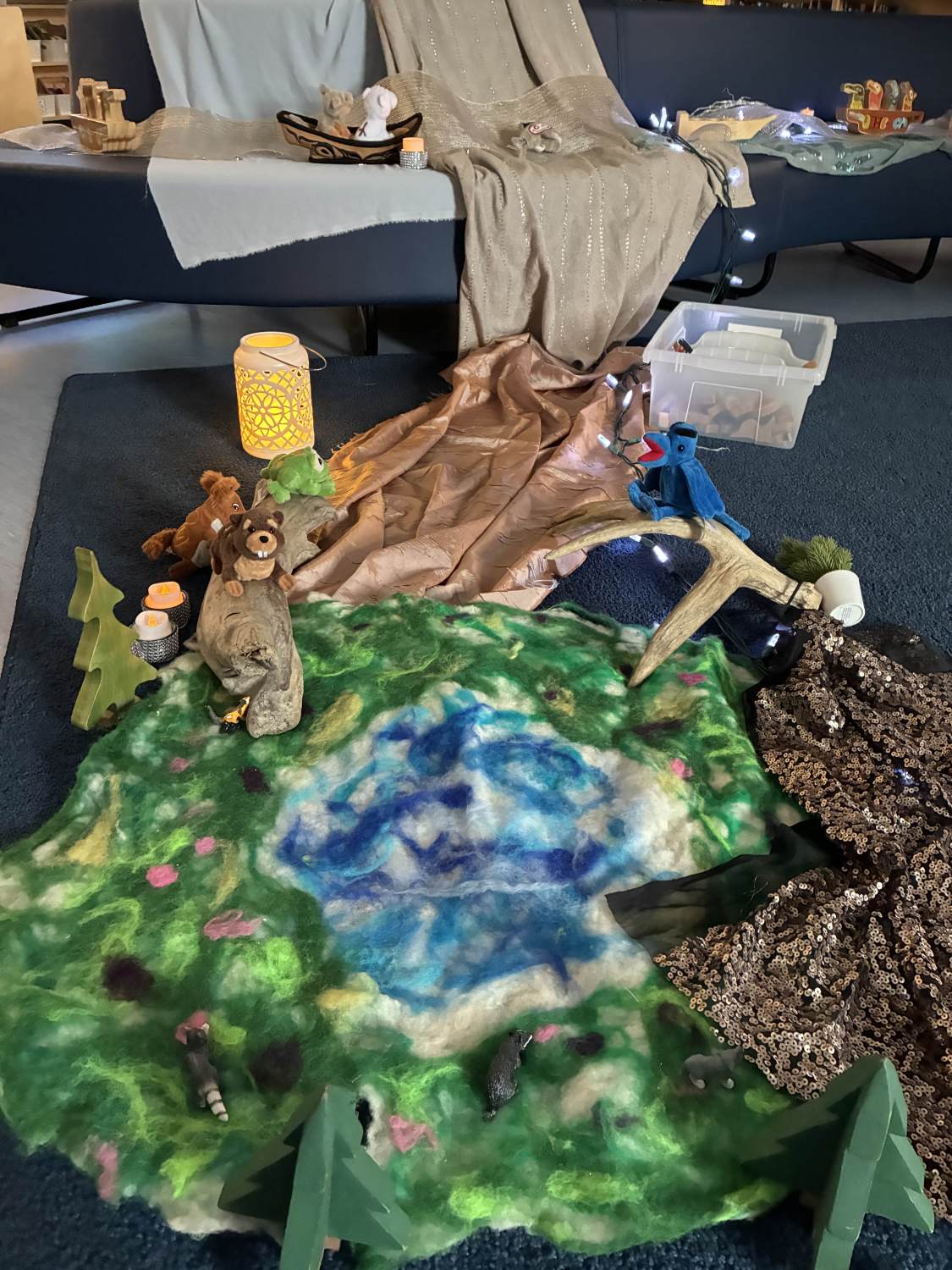
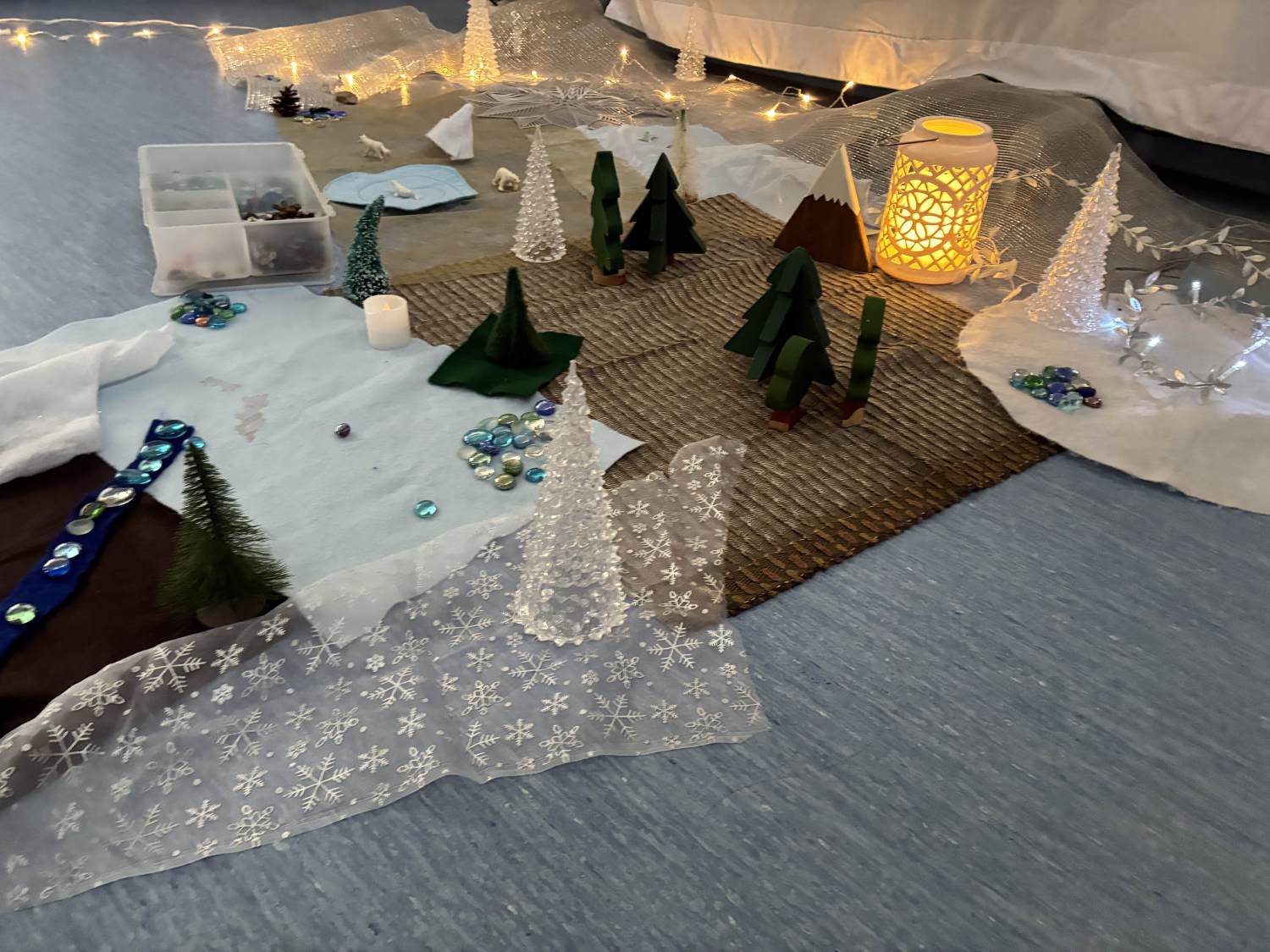
Two early primary teachers collaborated during staff collaboration time to explore how Story Workshop and the use of loose parts could invite younger learners into play-based storytelling. Anchoring their learning in the book Story Workshop by Susan Harris MacKay, they introduced provocations that encouraged students to build and share stories connected to their identities.
This action supports our school’s learning focus in the following ways:
By observing each other’s practice and refining their provocations, the teachers noticed significant growth in students’ oral language skills. Learners created stories about their names and identities, engaged in meaningful conversations with their families, and brought these stories back to share with peers. This approach allowed every child to find an access point for storytelling and honoured the diverse stories they wished to share. Through play and dialogue, students deepened their ability to comprehend and express ideas, supporting our belief that we all have a story to share.
Connection to Tomsett Elementary’s School Story Focus
Tomsett’s focus emphasizes student voice, identity, and belonging. This action directly aligns with that focus by creating opportunities for learners to explore and share personal narratives in a collaborative, inclusive environment. Story Workshop fosters a sense of belonging and empowers students to see themselves as storytellers, strengthening community and connection within the classroom.
Alignment with BC Redesigned Curriculum
This action supports the English Language Arts Big Ideas and Curricular Competencies, particularly:
- Big Ideas:
- Language and story can be a source of creativity and joy.
- Stories and other texts help us learn about ourselves and our families.
- Curricular Competencies:
- Comprehend and connect: Students make connections between their own experiences and stories they create.
- Create and communicate: Students use oral language and visual representations to share ideas and personal narratives.
- Use strategies: Students engage in play-based storytelling as a strategy to develop understanding and meaning.
By integrating loose parts and provocations, teachers provided a multimodal approach that supports reading comprehension through oral rehearsal, visualization, and connection-making—key strategies outlined in the BC curriculum.
The River
Image
Image

Image
Image
Image
Image
Updated:
Tuesday, December 16, 2025